

Should You Warm Up Your Car in Winter? Here’s What the Experts Say
Should You Warm Up Your Car Before Driving?
No, most modern cars do not need a long warm-up before you drive. The U.S. Department of Energy and EPA’s FuelEconomy.gov says most manufacturers recommend driving off gently after about 30 seconds. The engine warms up faster while driving, so the heater turns on sooner too.
A short pause lets you buckle up and clear the glass, and then the best way to finish warming the engine is to drive. At Team One Hyundai of Gadsden, we hear this question every fall, so here is what the research says.
Why Do People Still Idle Their Cars in Winter?
Most drivers idle their cars for comfort and to clear frosted windows. Both are good reasons to take a short pause, but long idling is not the best way to warm the engine.
FuelEconomy.gov puts it simply: idling gets 0 miles per gallon. Every minute spent idling in the driveway burns fuel without taking you anywhere.
How Long Should You Warm Up Your Car in Winter?
About 30 seconds is enough for most modern gas vehicles, according to FuelEconomy.gov. After that, drive gently for the first few minutes.
Here is a simple cold-morning routine:
- Start the engine and let it run for about 30 seconds.
- Clear all windows, mirrors and lights while it runs.
- Drive off gently, avoiding hard acceleration and high revs at first.
- Turn on the heat once the temperature gauge starts to climb.
Always check your owner’s manual, since it is the final word for your specific vehicle. Driving gently at first lets the engine, transmission and tires warm up together, and it gets warm air flowing into the cabin sooner than sitting in the driveway would.
Does Cold Weather Lower Your Fuel Economy?
Yes, cold weather lowers fuel economy for every type of vehicle. FuelEconomy.gov reports that a conventional gas car’s city mileage is roughly 15% lower at 20°F than at 77°F, and it can drop as much as 24% on short trips of three to four miles.
Several things cause the drop:
- Thicker fluids: Cold engine oil and drivetrain fluids increase friction.
- Longer warm-up time: The engine takes longer to reach its most efficient temperature.
- Extra electrical load: Heated seats, defrosters and heater fans use more power.
- Denser air: Cold air adds aerodynamic drag, especially at highway speed.
- Lower tire pressure: Tires lose pressure in the cold, which adds rolling resistance.
How Much Does Cold Weather Affect Each Type of Vehicle?
Cold weather affects gas cars, hybrids and EVs by different amounts. These are typical ranges reported by FuelEconomy.gov, which draws on Oak Ridge National Laboratory and AAA testing.
| Vehicle type | Typical cold-weather effect |
|---|---|
| Gas vehicle, city driving | 10% to 20% lower fuel economy |
| Gas vehicle, short trips | 15% to 33% lower fuel economy |
| Hybrid, city driving | 20% to 40% lower fuel economy |
| Hybrid, short trips | 25% to 45% lower fuel economy |
| EV at 20°F, cabin heater on | About 41% less driving range |
| EV at 20°F, no cabin heater | About 12% less driving range |
Results vary by model, temperature and trip length. Short trips show the biggest drop, because the vehicle spends more of the drive below its ideal temperature.
Does Remote Start Count as Idling?
Yes, remote start on a gas vehicle runs the engine while the car sits still, so it uses fuel the same way idling does. It is convenient for a quick start on a frosty morning, but the same 30-second guideline applies to warming the engine itself.
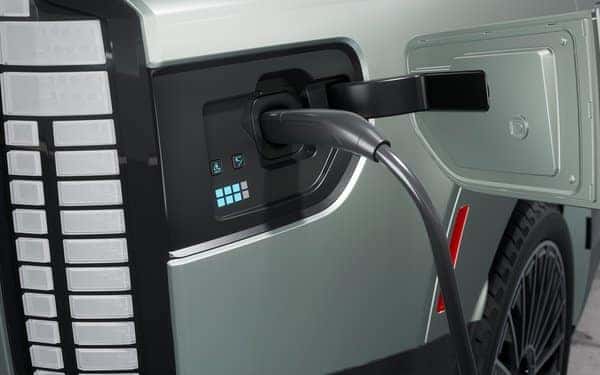
On an EV or plug-in hybrid, remote climate control while the vehicle is plugged in draws power from the charger rather than the battery. That is the approach AAA recommends.
Is Warming Up Different for Hybrids and EVs?
Yes, hybrids and electric vehicles respond to cold differently than gas-only cars. FuelEconomy.gov notes cold weather also reduces the performance of regenerative braking on hybrids, plug-in hybrids and EVs.
Hybrids
A hybrid’s fuel economy can drop about 30% to 34% in cold city driving, according to FuelEconomy.gov. The same advice applies: skip long idling, drive gently, and combine short errands into one trip so the system spends more time warm.
Plug-In Hybrids and Electric Vehicles
For EVs and plug-in hybrids, the best move is to warm the cabin while the vehicle is still plugged in. AAA recommends pre-heating or pre-cooling the cabin before you unplug, so the battery is not used for climate control at the start of your trip.
That matters because AAA testing found that at 20°F with the heater on, EV driving range dropped by an average of 41%. Using seat heaters instead of cabin heat is another way to save energy, according to FuelEconomy.gov.
Is It Safe to Warm Up Your Car in the Garage?
No, never run a vehicle inside a garage attached to your home. The Centers for Disease Control and Prevention advises against it, even if the garage door is open, because of the risk of carbon monoxide.
If you want a short warm-up, back the vehicle out first. Then let it run outside while you clear the windows.
How Do You Clear Your Windows Quickly?
Clear visibility is the one part of a winter warm-up you should never skip. Scrape frost from every window, mirror and light before you drive.
Inside fog takes a little more strategy. Our guide to defogging car windows quickly walks through five simple steps.
What Else Helps Your Car in Cold Weather?
A little seasonal care keeps your vehicle starting and running well all winter. FuelEconomy.gov recommends several habits:
- Park in a garage when you can: A warmer starting temperature helps the engine and cabin.
- Combine trips: You spend less time driving with a cold engine.
- Check tire pressure often: Cold air lowers pressure.
- Use the right oil: Follow your manufacturer’s recommendation for cold-weather driving.
- Remove roof racks you are not using: They add wind resistance.
Your cooling system matters in winter too. Our explainer on antifreeze vs. coolant covers what your radiator needs.
Get Your Hyundai Ready for Winter at Team One Hyundai of Gadsden
A pre-winter check is an easy way to head off cold-morning surprises. Our service team can test your battery, check tire pressure and tread, and inspect your coolant and wipers. Use our online service scheduler and check current service and parts specials before you visit.
Shopping for a vehicle with features that make winter mornings easier? Browse our new vehicle inventory and ask our team which models offer remote start and heated seats.
Team One Hyundai of Gadsden is at 937 W. Grand Ave in Rainbow City, serving Rainbow City, Gadsden and Northeast Alabama. Call service at (256) 900-2235 or sales at (256) 399-4299.
0 comment(s) so far on Should You Warm Up Your Car in Winter? Here’s What the Experts Say